In a nutshell
- 🔬 The science: Rice starch—rich in amylose and amylopectin—gelatinises to act as a moisture reservoir, yielding a soft crumb and slowing retrogradation (staling).
- 🧪 Practical methods: Use a rice paste (tangzhong-style), a fine rice flour swap, light rice milk, or brown rice syrup; typical ratios include 5–10% paste and 5–15% rice flour for dependable moisture.
- ⏱️ Technique tips: Rest batter 5 minutes, add initial oven humidity with a hot-water cup, cool then wrap; when using syrup, reduce other liquid slightly and choose a fine grind to avoid sandiness.
- 🍰 Texture and flavour: Expect a tender crumb with neutral taste; go easy on sweet rice flour to prevent chewiness and use syrups modestly to avoid stickiness—start small and iterate.
- 📦 Shelf life: Enjoy slower staling and cakes that stay soft 1–2 days longer, with methods that play nicely with buttercreams and ganaches without tasting “ricey.”
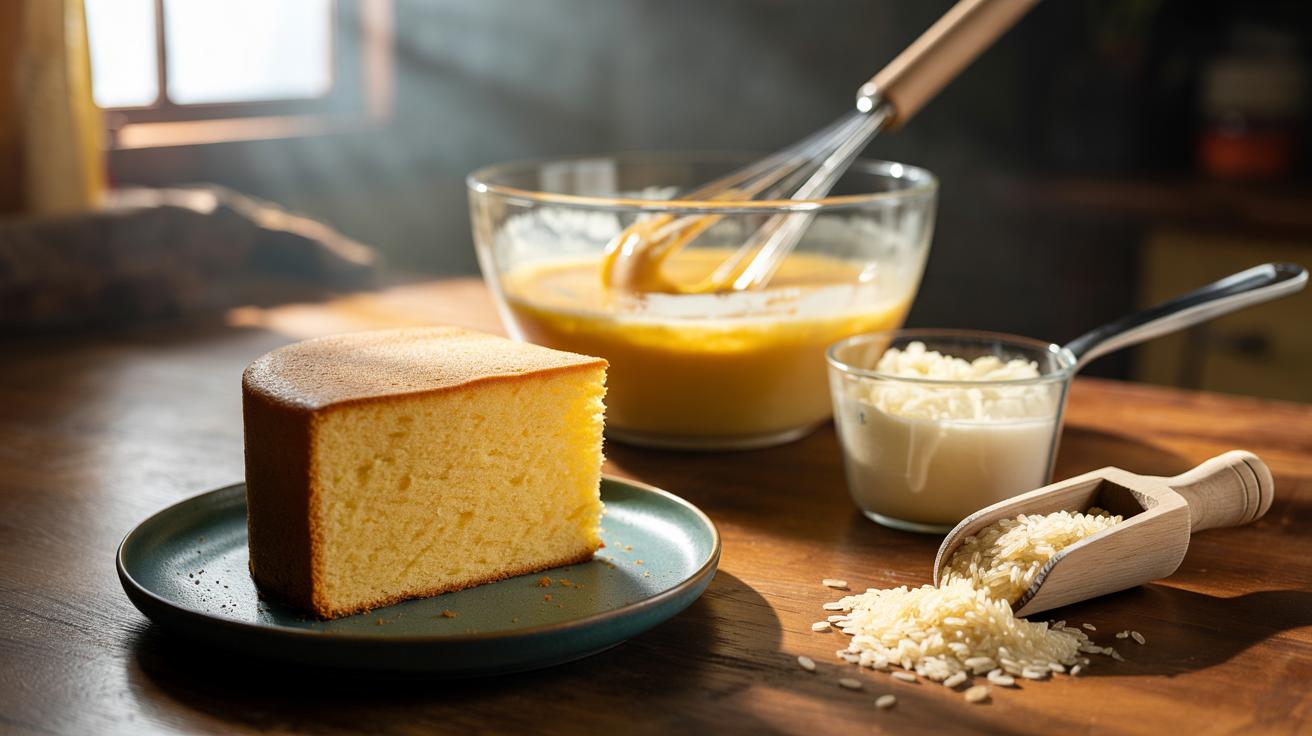
There’s a quiet revolution happening in British home baking, and it doesn’t start with another fad ingredient. It starts with rice. That humble pantry staple can transform crumb, slow staling, and keep slices soft for days. Rice starch behaves like a tiny water reservoir, releasing moisture gently as the cake cools and rests. The result is extraordinary: a tender, even crumb that resists dryness without turning gummy. It’s an old-world trick meeting modern science. Whether you bake lemon drizzle on a rainy Tuesday or a celebration sponge for twelve, a teaspoon of know-how with rice can change everything.
The Science of Moisture: Rice Starch and Soft Crumb
Rice carries two main starch characters—amylose and amylopectin. When heated with water, these granules swell and gelatinise, capturing moisture that would otherwise steam off or migrate. This is the heart of rice’s baking magic. In cakes, that gel acts like a soft scaffold, cushioning bubbles set by eggs and leavening, so the crumb stays plush. Sweet rice (often called glutinous rice) is especially rich in amylopectin, making it adept at moisture retention and softness.
Because rice flour is gluten-free, it doesn’t add chew the way wheat can. Used judiciously, it loosens the crumb and helps prevent toughness from overmixing. Overdo it, though, and you risk a sandy mouthfeel. The answer is balance: either pre-gelatinise a small portion (a paste or roux) to boost hydration, or replace a modest slice of wheat flour with finely milled rice flour to finesse texture.
There’s a second boon: staling slows. Retrogradation—the rebinding of starch molecules that firms cake over time—is tempered when a portion of starch is rice-derived and already gelatinised. In plain English: your sponge stays soft longer. Expect an extra day of tenderness in a sealed tin, sometimes two, before dryness creeps in.
Practical Ways to Use Rice in Cakes
Rice paste (tangzhong-style): Whisk rice flour with water and gently heat to a pudding-like gel. Cool, then beat into the batter. This pre-gelatinised starch locks in water with remarkable efficiency. It’s the single most predictable path to a plush crumb.
Fine rice flour swap: Replace a slice of your wheat flour with finely milled white rice flour. The crumb opens slightly, the bite softens, and dryness is kept at bay. A touch of sweet rice flour (glutinous) adds even more moisture retention, but use sparingly to avoid chew.
Rice-based liquids: Light, unsweetened rice milk can stand in for part of the dairy, delivering extra starch without heaviness. Brown rice syrup, used modestly, contributes humectancy—attracting and holding water—while adding a mellow, toasty sweetness that pleases chocolate, coffee, and spice cakes.
| Method | How to Use | Typical Ratio | Effect |
|---|---|---|---|
| Rice Paste (Gel) | Cook rice flour with water to 65–70°C, cool, mix in | 5–10% of total flour weight as paste | Maximum moisture, very soft crumb |
| Fine Rice Flour Swap | Replace part of wheat flour | 5–15% white rice flour; 2–4% sweet rice flour | Tender crumb, slight openness |
| Rice Milk | Replace some liquid | 20–40 ml per 500 ml total liquid | Lighter body, added starch |
| Brown Rice Syrup | Swap for part of sugar | 10–15% of sugar weight | Moistness, subtle caramel note |
Ratios, Timings, and Fail-safe Techniques
For a 20 cm Victoria-style sponge (about 800–900 g batter), make a rice paste by heating 20 g rice flour with 100 g water, whisking until glossy and thick. Cool to room temperature before beating it into butter and sugar; then proceed with eggs and dry ingredients. This small addition yields a noticeably softer slice. A little goes a very long way.
Prefer a flour swap? Replace 30–40 g of your wheat flour with 20–30 g white rice flour plus 5–10 g sweet rice flour. Keep total flour the same. Sift well to avoid clumps, and mix just to combine. With brown rice syrup, reduce other liquids by 5–10 ml per 100 g syrup to maintain structure, as syrups add water and can weigh down a batter.
Timing matters. Allow batter with rice paste to rest five minutes before the tin; bubbles stabilise, crumb evens out. Bake at standard temperature, but consider a brief burst of humidity: place a small, heatproof cup of hot water on the oven floor for the first 10–12 minutes. It encourages rise and prevents early crusting while your starch gel sets. Cool in the tin ten minutes, then on a rack. Wrap once fully cool to lock in that hard-won moisture.
Texture, Flavour, and Shelf Life: What to Expect
Done right, rice won’t announce itself. The flavour stays neutral, especially with white or sweet rice flour. What you notice is the mouthfeel: a silky, fine crumb that compresses gently under a fork, then springs back. Chocolate and carrot cakes feel richer; citrus sponges taste brighter because they’re not battling dryness. For featherlight genoise, go easy—opt for a small paste or a 5% swap to protect aeration.
There are guardrails. Too much rice flour can feel sandy; grind is crucial, so choose very fine. Sweet rice flour lifts moisture but can add chew if overused. Syrups bring stickiness—fantastic in dense cakes, less so in ultra-light sponges. Start small, record results, adjust by 2–3% each bake. That disciplined tinkering pays off with repeatable texture and calm confidence before guests arrive.
The bonus is shelf life. Rice slows retrogradation, so yesterday’s slice remains supple today. Expect a sealed cake to hold softness one to two days longer, especially when a paste is involved. For frosted cakes, rice methods play happily with buttercreams and ganaches, avoiding weeping. The verdict from countless testers? A quiet, consistent upgrade that feels like wizardry but reads as craft.
Rice doesn’t need to shout to change your baking; it simply works in the background, lending water management, softness, and staying power to the cakes you already love. It won’t turn a family sponge into mochi—unless you ask it to. Start with a small paste, a modest flour swap, or a spoon of brown rice syrup, then taste the difference over days, not hours. Where will you weave this discreet grain into your next bake, and which texture tweak are you curious to try first?
Did you like it?4.5/5 (23)