In a nutshell
- 🌱 Spent tea leaves add organic matter with light nitrogen, potassium, and trace minerals, feeding soil microbes that drive stronger, longer-lasting blooms.
- 💧 Improves moisture retention and provides mild acidity ideal for camellias, azaleas, and rhododendrons; apply in thin layers to avoid matting and odours.
- 🧰 Practical application methods: open bags to remove synthetic casings, top-dress pots and beds, mix up to 10% into compost, or brew a 24‑hour weak “leaf tea.”
- ♻️ Sustainability and safety: remove staples/mesh, compost perfumed or questionable blends first, and remember tea is a conditioner not a complete fertiliser.
- 📈 Track results: count blooms, note shorter intervals between flushes, and follow a monthly rhythm (tea top-dress, water, balanced liquid feed, rest) for steady gains.
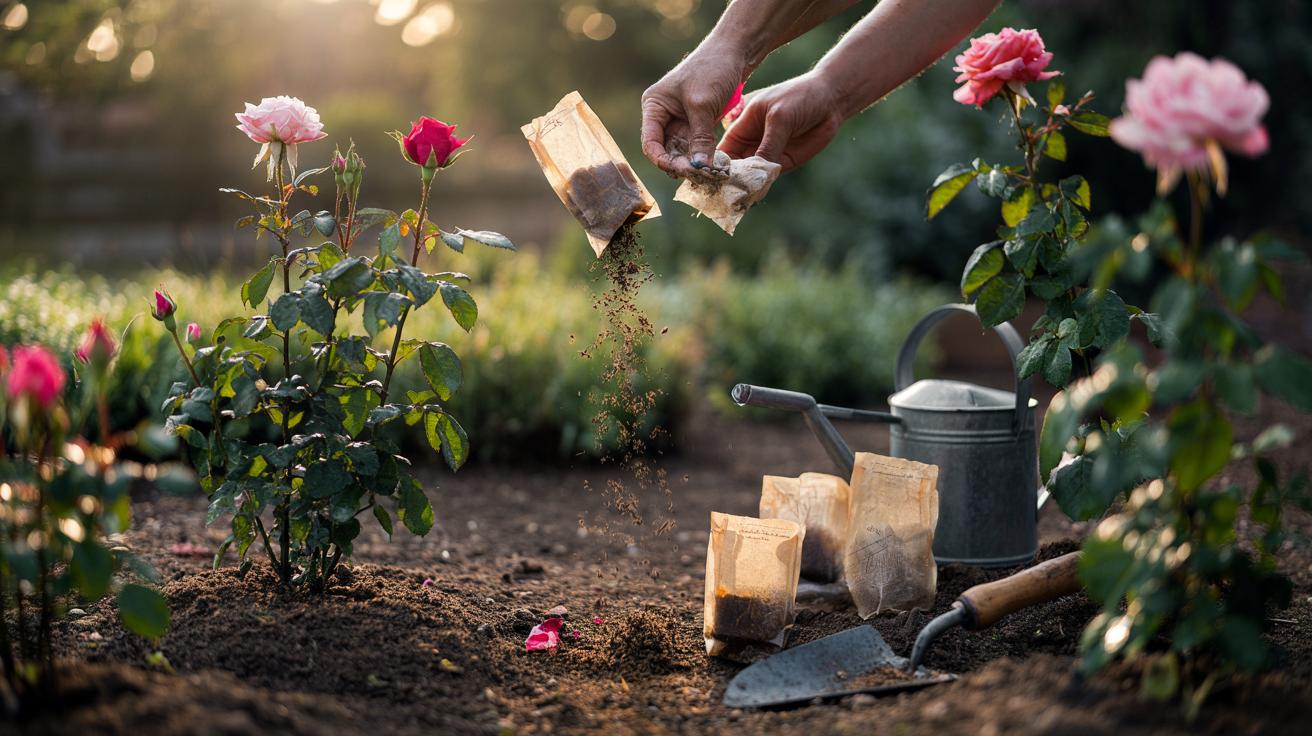
Britain’s gardens run on tea, and not just in mugs. Those soggy sachets you bin after breakfast can be repurposed into garden gold, enriching beds and pots while trimming kitchen waste. The science is simple: used tea adds organic matter, a whisper of nutrients, and a boost to soil life that flowers adore. Roses respond, containers stay moist longer, and beds look livelier. Results aren’t instant, but they’re steady. Think of tea bags as a gentle, sustainable nudge that coaxes better blooms rather than a quick-hit fertiliser. Here’s how to turn yesterday’s cuppa into this season’s colour, safely and effectively, without fuss or faff.
How Used Tea Feeds Blooms
Spent tea leaves carry a light but useful mix of nitrogen, a lick of potassium, and trace minerals drawn from the leaf. While the nutrient content is modest after brewing, it still matters, especially in containers and tired borders where every bit of organic matter counts. As the leaves break down, they fuel soil microbes. Those microbes, in turn, unlock nutrients and structure the soil into crumbly aggregates that hold air and water. Healthier microbial life underpins steadier growth, more buds, and longer-lasting petals.
Tea also tends slightly acidic, which suits camellias, azaleas, and rhododendrons. Don’t expect dramatic pH shifts, but do expect consistency: small additions help buffer alkaline irrigation and keep micronutrients available. The fibrous particles improve moisture retention, reducing stress between waterings and preventing those stop-start growth spurts that cut flowering short. Tannins sometimes get blamed for “burning” plants; in reality, once brewed they’re diluted and typically benign in garden quantities. The key is steady, thin layers rather than clumps that mat on the surface. Fold tea into mulch, potting mixes, or compost, and your blooms will show the quiet lift of better soil.
Smart Ways to Apply Spent Bags
Start by checking the bag. Many brands use polypropylene or PLA heat seals; those don’t break down quickly. Tear open the bag, tip out the leaves, and bin or recycle the casing per local guidance. For beds, scatter a thin sprinkle of leaves and rake in lightly. For pots, mix a tablespoon or two into the top centimetre of compost. You can also steep two or three spent bags in a litre of rainwater for 12–24 hours, creating a mild “leaf tea” to water the soil, not the foliage. Small batches, used promptly, keep odours and pathogens at bay.
| Method | How Much | How Often | Best For |
|---|---|---|---|
| Top-dress leaves | Small handful per 25–30 cm pot | Every 2–3 weeks | Containers, bedding plants |
| Mix into compost | Up to 10% by volume | With each potting | Seedlings, patio tubs |
| Compost bin | Alternate thin layers | Whenever available | General borders |
| Weak leaf tea | 2–3 bags per litre | Monthly | Thirsty summer displays |
Feed roses by circling a light ring of leaves and covering with mulch. For houseplants, dry the leaves first and use sparingly to avoid fungus gnats. If slugs are a menace, ring seedlings with a gritty mix of dried tea and sharp sand; it’s not foolproof, but it helps. Never heap wet leaves in thick mats—spread thinly so air and worms can work. Over time, these small habits translate into sturdier stems and more generous flushes of bloom.
Quality, Safety, and Sustainability Considerations
Not all tea is equal in the garden. Unflavoured black, green, and oolong are safe bets. Perfumed blends can carry oils that linger in soil; use them in the compost heap rather than directly in pots. Herbal infusions are usually fine, though liquorice or heavily spiced bags may attract pests if left on the surface. When in doubt, compost first—heat and time even things out. Watch for staples, strings, and synthetic mesh; remove them before spreading. Many UK brands now offer plastic‑free bags, but always check the box.
Caffeine content worries gardeners, yet spent bags contain little. Any allelopathic effect on seedlings is typically negligible at garden doses. Pathogens? Keep it clean: don’t brew anaerobic “teas” for days; use 24‑hour soaks and discard leftovers onto the compost. The RHSThis is sustainability at its simplest—turning a daily habit into living soil. Finally, avoid relying on tea alone. It’s a conditioner, not a complete fertiliser, and works best alongside a balanced, peat‑free compost and periodic feeds.
Results You Can Expect and How to Measure
Expect subtle improvement first: richer colour, tighter bud formation, steadier leaf turgor in dry spells. On roses, track the interval between flushes; it often shortens as soil health rises. With annuals, count blooms weekly on a few marker plants to spot trends. What gets measured gets better in the garden, too. Tea-enriched mulches help pots resist midday wilt, which translates into fewer aborted buds. Soil feels springier under the fork, and roots run deeper in containers, anchoring taller stems against wind.
Pair tea leaves with a gentle, balanced liquid feed during peak growth, and use a seaweed tonic for trace elements. A monthly rhythm works: week 1 top-dress with tea, week 2 water, week 3 liquid feed, week 4 rest. In borders, fold tea into your spring and late-summer mulch. Don’t chase miracles. Consistency beats intensity for flower performance. If pH is critical—say, for hydrangea colour—test yearly; tea won’t overhaul soil chemistry, but it can subtly favour blue tones in naturally acidic beds. After a season, compare photos and notes. Most gardeners report fuller clusters and a longer bloom window.
Spent tea bags won’t replace a fertiliser regime, yet they shine as a low-cost, low-effort way to build living soil and coax richer blooms. The trick is simple: small, frequent additions, handled cleanly, and folded into a broader routine of mulching, watering, and balanced feeding. Turn habit into horticulture and your borders repay you, quietly but reliably. Ready to rescue those bags from the bin and give your flowers a gentler, greener push—what trial will you run first in your own beds and pots?
Did you like it?4.5/5 (20)