In a nutshell
- ☕️ Coffee grounds boost herbs with slow-release nitrogen, trace minerals, and a microbial kick that improves soil aeration and structure; spent grounds are near-neutral pH.
- 🌱 Apply lightly: 1–2 tbsp per 5L pot monthly or up to 1L/m² in beds; mix into soil, avoid thick, water-repelling mats, and use compost (up to ~20%) for safety and consistency.
- 🧪 Soil science: ~20:1 C:N causes brief N “tie-up” before steady release; grounds can nudge fungal balance, enhance moisture retention, and may mildly suppress some pests and pathogens.
- 🪴 Best responders: leafy herbs like basil, parsley, coriander, plus mint and chives; go sparingly with woody types (rosemary, thyme, sage, oregano, lavender), and avoid heavy use around seedlings.
- 🔁 Outcome: steadier growth, richer flavour, and fewer plastic feeds—keep doses small, observe surfaces for crusting, and adjust to light and season for the best results.
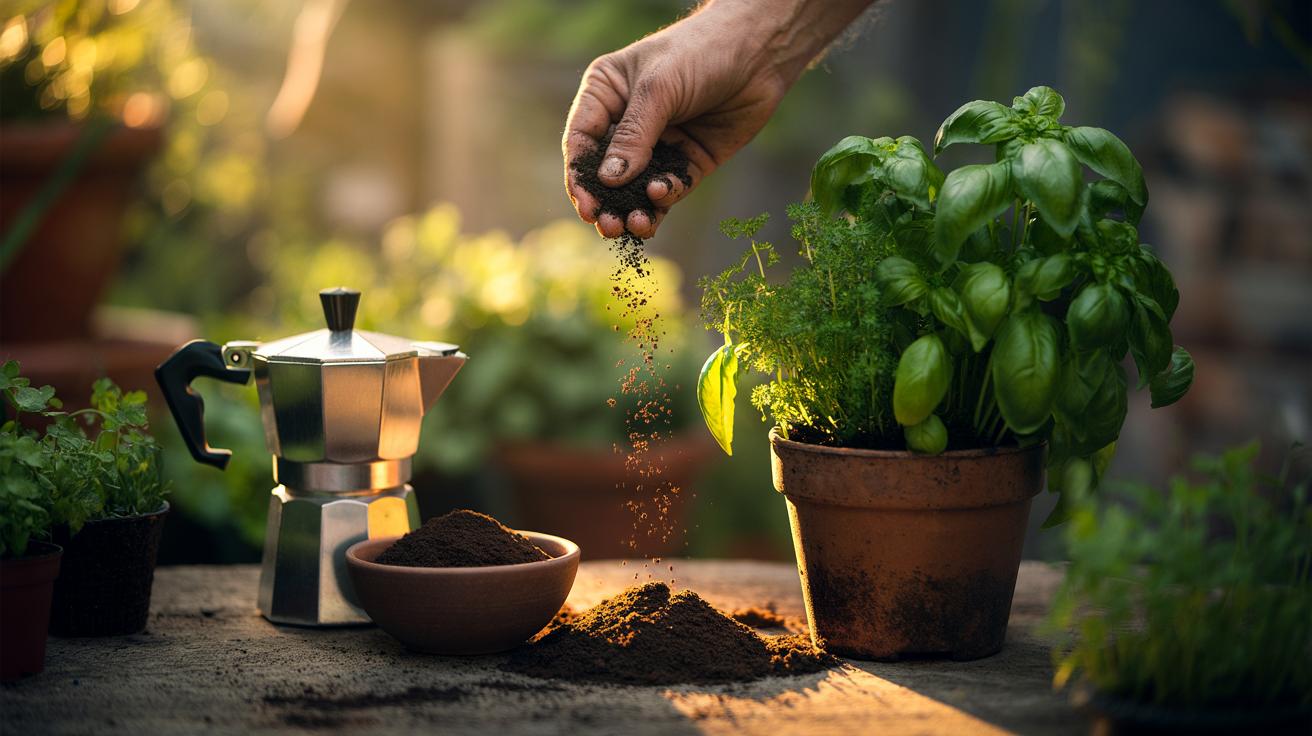
For gardeners who love flavour-packed leaves, turning yesterday’s brew into tomorrow’s bounty is a quiet revolution. Spent coffee grounds—a waste product we often bin—can help your herbs put on clean, vigorous growth while subtly improving soil life. The trick is understanding why they work, and how to apply them with a light hand. Used intelligently, grounds behave like a slow, steady nitrogen feed and a texture enhancer. Applied carelessly, they can compact, repel water, or stunt seedlings. In allotments, windowsill pots, and community beds across the UK, the difference often comes down to timing, rate, and your soil’s temperament.
Why Coffee Grounds Benefit Herbs
Freshly brewed grounds don’t look like a fertiliser, yet they are. They carry modest but useful amounts of nitrogen and trace minerals such as potassium, magnesium, and calcium. More importantly, they feed the soil’s living engine. By energising bacteria and fungi, grounds set off a biological chain reaction that unlocks nutrients and improves structure. As microbes digest the grounds, they knit particles into stable crumbs, which increases aeration and water movement. That matters for herbs, whose fine roots appreciate air as much as moisture.
There’s enduring confusion about acidity. Most “spent” grounds test near neutral (pH roughly 6.5–6.8), so they won’t scorch lime-loving herbs. What gardeners feel is the coffee’s organic acids, not actual low pH. Grounds also add micro-organic matter that boosts cation exchange capacity, helping compost or loam hold on to nutrients. Earthworms love them. You’ll often see castings increase after light applications. Healthier worm populations translate into better drainage channels and faster nutrient cycling, particularly helpful in dense container mixes.
For lush, tender leaves—think basil, parsley, coriander—the slow nitrogen release supports steady, green growth without the sappy excess you get from quick chemical feeds. That steadiness pays off in flavour. Leaves pack essential oils when growth is even, not explosive. Used well, coffee grounds help herbs stay compact, aromatic, and resilient.
How to Apply Grounds Without Harming Plants
Start small. Sprinkle a thin dusting—no more than 2–3 mm—over the soil, then scratch it in. For pots, a rule of thumb works: 1–2 tablespoons per 5‑litre container every month in the growing season. In beds, aim for no more than 1 litre of grounds per square metre monthly, split into two light feeds. Never lay down mats of wet grounds; they can crust, repel water, and invite mould. If your mix tends to compact, blend grounds with sifted compost or sharp sand before applying.
Composting is forgiving. Add grounds as up to 20% of your compost volume, layered with “browns” (dry leaves, shredded cardboard). This balances the carbon-to-nitrogen ratio and speeds decomposition. Pre-composted grounds are gentler on seedlings and simplify dosing. If you want speed, brew a “grounds soak”: steep a handful in a watering can for 24 hours, then drench around established plants. It’s mild, and it sidesteps the crusting risk.
Timing matters. Feed leafy herbs when they’re actively growing—spring through late summer—and pause during cold snaps. Avoid direct use on very young transplants; let roots settle for two weeks first. Watch the surface. If you see a slick film, fluff the top layer with a fork. If your plants look overly lush but lack flavour, reduce grounds and increase sun exposure to concentrate essential oils.
Soil Science Behind the Boost
Spent grounds typically sit near a carbon-to-nitrogen ratio of about 20:1. Microbes grab that nitrogen first—briefly “tying it up”—then release it gradually as they die back and decompose. This short immobilisation blip, usually a week or two, is why light, regular applications outperform one heavy dose. The pulse keeps biology humming without starving plants. Over time, the process creates humus-like fractions that stabilise soil aggregates.
pH stability calms another fear. While fresh coffee is acidic, used grounds are largely neutral. In loams and compost-rich potting mixes, they act more as conditioners than pH drivers. By nudging microbial diversity, grounds can shift the soil food web slightly towards fungal dominance, a state many Mediterranean herbs appreciate for disease resistance and drought tolerance. Fungi build structure; structure saves water and prevents nutrient leaching.
Minerals ride shotgun. Alongside nitrogen, grounds contribute small but meaningful amounts of potassium and magnesium, which support enzyme activity and chlorophyll production. There’s also a mild crumbly effect: fine particles fill gaps, then bind, improving moisture retention without turning mixes heavy if you keep rates low. Anecdotally, caffeine and phenolics may add slight suppression of some pests and pathogens. The effect is subtle, not a substitute for good hygiene, spacing, and airflow.
Which Herbs Respond Best—and When to Skip
Leaf-forward herbs respond brilliantly. Basil, parsley, coriander, mint, and chives turn the steady nitrogen stream into plush foliage and clean, green flavour. Container growers see the biggest lift because potting mixes lose nutrients quickly. In contrast, woody Mediterranean herbs—rosemary, thyme, sage, oregano, lavender—prefer leaner conditions and sharp drainage. They’ll tolerate small, occasional doses if you’re careful, but too much softness diminishes essential oils. When in doubt, feed the leafy herbs, not the woody ones. Always avoid thick applications around seedlings, because delicate stems and new roots are easily stressed by moisture fluctuations and microbial surges.
Use the table below as a quick field guide. It prioritises rate, response, and caveats you can act on immediately in the garden or on a balcony. Keep it light, consistent, and observant; your plants will report back in a week.
| Herb | Response | Application Tip | Notes |
|---|---|---|---|
| Basil, Parsley, Coriander | High | 1–2 tbsp per 5L pot monthly | Boosts leaf mass and aroma |
| Mint, Chives | Moderate–High | Light topdress; scratch in | Watch for surface crusting |
| Thyme, Rosemary, Sage | Low | Rare, very light use | Prefer lean, well-drained soil |
| Lavender, Oregano | Low–Moderate | Only via compost mix | Avoid direct fresh grounds |
Turn a throwaway habit into a harvest habit. Keep your doses small, your observations sharp, and your soil alive. The payoff is cumulative: better structure, steadier moisture, richer microbial life, and herbs that taste like themselves—only more so. If your kitchen produces grounds daily, you’ve got a gentle, circular feed on tap and fewer plastic bottles in the shed. Which herb in your garden will you test first, and what tweaks will you try to lock in flavour without losing that vital bite?
Did you like it?4.4/5 (27)