In a nutshell
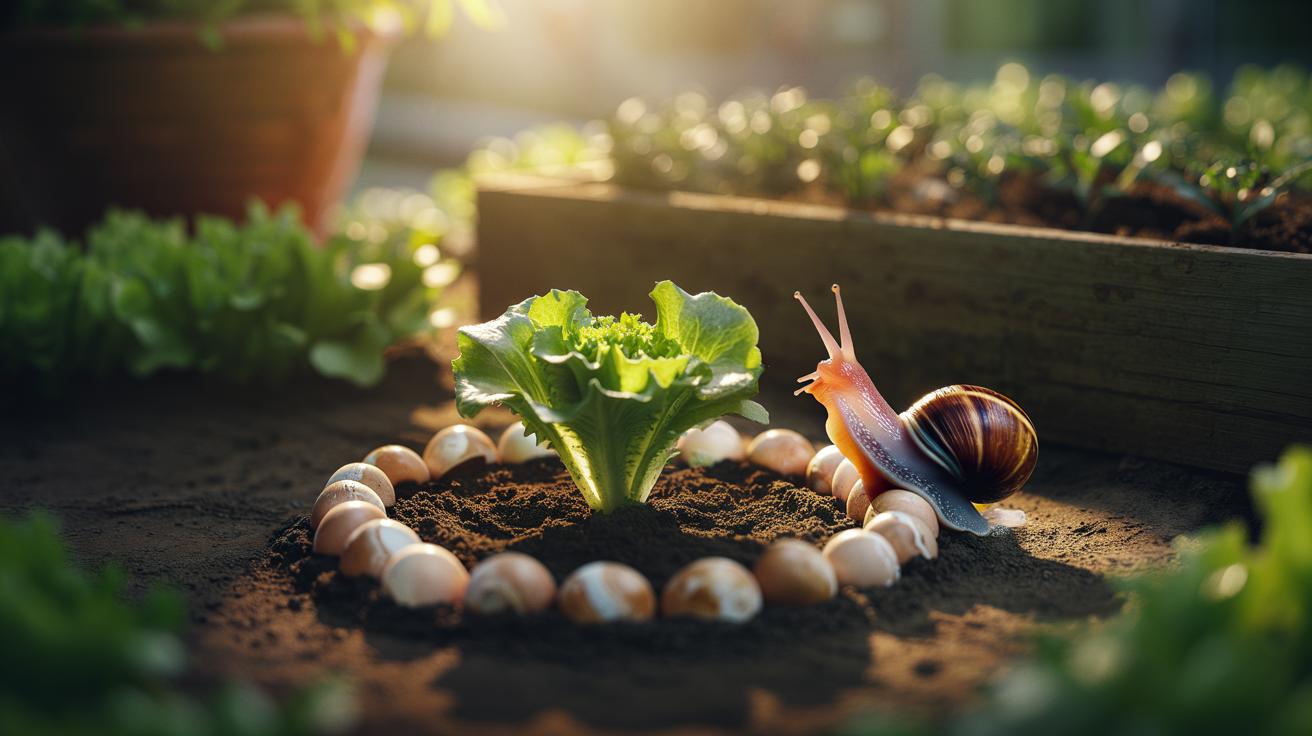
- 🌱 Crushed eggshells form an abrasive barrier that deters slugs and snails, turning kitchen waste into a free, low-impact defence—effective as a deterrent, not a total shield.
- 🥚 Preparation and application: rinse and dry (or bake at 120°C), crush coarsely (3–10 mm), and lay a 3–5 cm ring about 1 cm deep; keep foliage off the ring and refresh after rain.
- ⚗️ Shells are mainly calcium carbonate, offering trace calcium with little short-term pH change; their success hinges on dryness and a gritty texture rather than chemistry.
- 🧰 Combine tactics for resilience: pair eggshells with copper tape, wildlife allies, hand-picking, wool pellets, or organic iron phosphate—because routine beats panic.
- 🔎 Limits and safety: barriers degrade in wet weather, large beds need layered defences, and good hygiene matters—rinse shells and keep pets from sharp fragments.
In the skirmish between tender seedlings and voracious slugs and snails, frugality can be a secret weapon. Enter the humble eggshell, a kitchen offcut with surprising clout in the border. Crushed and scattered with intent, it becomes a defensive ring, a gritty moat that nudges predators elsewhere. It costs nothing. It wastes nothing. In a wet British spring, when molluscs surge and lettuces vanish overnight, that matters. Turn breakfast waste into a protective barrier and you tilt the odds back towards your plants. Here’s how the approach works, why it can shine, where it struggles, and how to combine it with other eco-friendly tactics for lasting success.
How Eggshells Deter Snails
Snails and slugs rely on a slick, delicate foot to glide. They avoid surfaces that abrade, snag or demand too much mucus to cross. Crushed eggshells create an irregular, sharp-edged texture that feels hostile to a mollusc’s underside, making your seedling bed a riskier proposition. Think of it as a discomfort fence. Not impenetrable, but discouraging enough to divert many would-be grazers. This is a deterrent, not a guaranteed shield, yet in real gardens that nuance still translates into fewer bite marks. The visual cue matters too: glints of white signal an inhospitable zone, which some gardeners swear reduces nocturnal incursions.
There’s chemistry in play as well. Eggshells are mostly calcium carbonate. While they won’t significantly alter soil pH in the short term, their presence doesn’t harm most veg beds and can contribute trace calcium over time. The larger win is their physical profile: coarse pieces hold their shape, especially when dry, creating a micro-landscape of gritty peaks and edges. When rain falls, barriers flatten and become friendlier to slime. That’s the critical caveat. Effectiveness tracks the weather and the coarseness of your crush. Keep the ring topped up and textured, and it does its quiet job.
Preparing and Applying Eggshell Barriers
Start in the kitchen. Rinse shells to remove clinging egg white or yolk. Then dry them thoroughly—air-dry on a tray, or bake for 10 minutes at 120°C to kill odours and speed brittle breakage. Clean, dry shells crush better, and they won’t attract pests. Use a rolling pin or mortar for a coarse grit, not powder. You want flakes and shards, 3–10 mm across, with plenty of edges. Powder compacts into a paste in rain and loses its bite.
Apply a ring 3–5 cm wide and about 1 cm deep around vulnerable plants—lettuce, hostas, strawberries, marigolds. Keep foliage from touching the ring so snails can’t bridge across leaves. After rain or heavy dew, check the barrier; re-crush and top up if pieces have softened or sunk into the soil. Combine with a drier watering schedule: water at dawn, not dusk, to avoid creating a night-time snail highway. For containers, pack the surface with shells all the way to the rim for a reliable edge. Indoors or in a greenhouse, the dryness boosts performance noticeably. Consistency beats heroics—small refreshes keep the deterrent alive. Save shells over time in a breathable jar; when you’ve a week’s worth, build your defences in one pass.
Scientific Sense and Limits
Garden lore gets loud; data less so. Credible, controlled studies on eggshell barriers are thin, and slug behaviour varies by species, size, and moisture. What we do know: coarse, jagged surfaces cost snails slime and energy, so many turn away. We also know repeated rain, leaf bridges, and compacted soils reduce deterrence. It is a probability shifter, not a silver bullet. In mild, wet UK conditions, that still matters. You will see fewer bites than with bare soil, especially on pots and raised beds where edges stay dry and intact.
There are side notes worth your attention. Eggshells break down slowly; they won’t suddenly “lime” your plot, but they can add trace calcium—useful for blossom-end rot-prone crops when paired with consistent watering. Hygiene is key: rinse shells to avoid smell and rodents, and handle sensibly to reduce any foodborne risk. Keep pets from gobbling large, sharp pieces. In clay soils, shells may sink quickly; use a denser ring and refresh more often. And remember scale: a small ring protects seedlings; a metre-wide bed still invites marauders over the perimeter. Expectation management keeps frustration low and results clear.
Smart Integrations: Use Eggshells With Other Tactics
The best gardens layer defences. Eggshells shine as a first barrier, but combine them for resilience. Copper tape on pots creates a mild electric-like sensation when slime meets metal, stopping climbers at the rim. Wildlife allies—hedgehogs, frogs, ground beetles—eat slugs; a shallow water dish, log piles, and undisturbed corners invite them in. Hand-picking at dusk removes the biggest culprits quickly. Wool pellets swell into scratchy mats around stems. Organic iron phosphate pellets, used sparingly, knock back numbers without harming pets when used as directed. Integrate two or three methods and damage drops dramatically.
Use the guide below to match tactics to your situation and budget. Mix and adjust through the season, because populations boom after warm rain and taper in dry spells. Tidy mulch lines, raise vulnerable trays, and intercept snails where they travel: along walls, under pots, beneath boards left as “decoy shelters”. Routine beats panic. Five minutes in the evening with a torch can spare a week’s growth.
| Method | How It Works | Cost | Best For |
|---|---|---|---|
| Crushed Eggshells | Abrasive ring deters crossing | Free | Seedlings, pots, raised beds |
| Copper Tape | Discourages slime on contact | £ | Container rims, greenhouse staging |
| Beer Traps | Ferment aroma lures slugs to drown | £ | Local hotspots, allotments |
| Hand-Picking | Direct removal at dusk | Free | Heavy infestations, small plots |
| Iron Phosphate Bait | Targets slugs with low non-target impact | ££ | High-pressure periods, veg rows |
Eggshells turn a waste stream into a practical defence. They’re tactile, visible, and—when kept coarse and dry—surprisingly effective at nudging slugs and snails elsewhere. Pair them with copper on pots, a dash of hand-picking, and a friendlier habitat for natural predators, and you’ll notice healthier leaves within a fortnight. Small, regular actions trump one-off blitzes. That’s the gardener’s bargain: attention over aggression, balance over scorched-earth tactics. Will you start saving shells this week, and which two companion methods will you trial first to build your own low-cost, low-chemical slug strategy?
Did you like it?4.6/5 (25)