In a nutshell
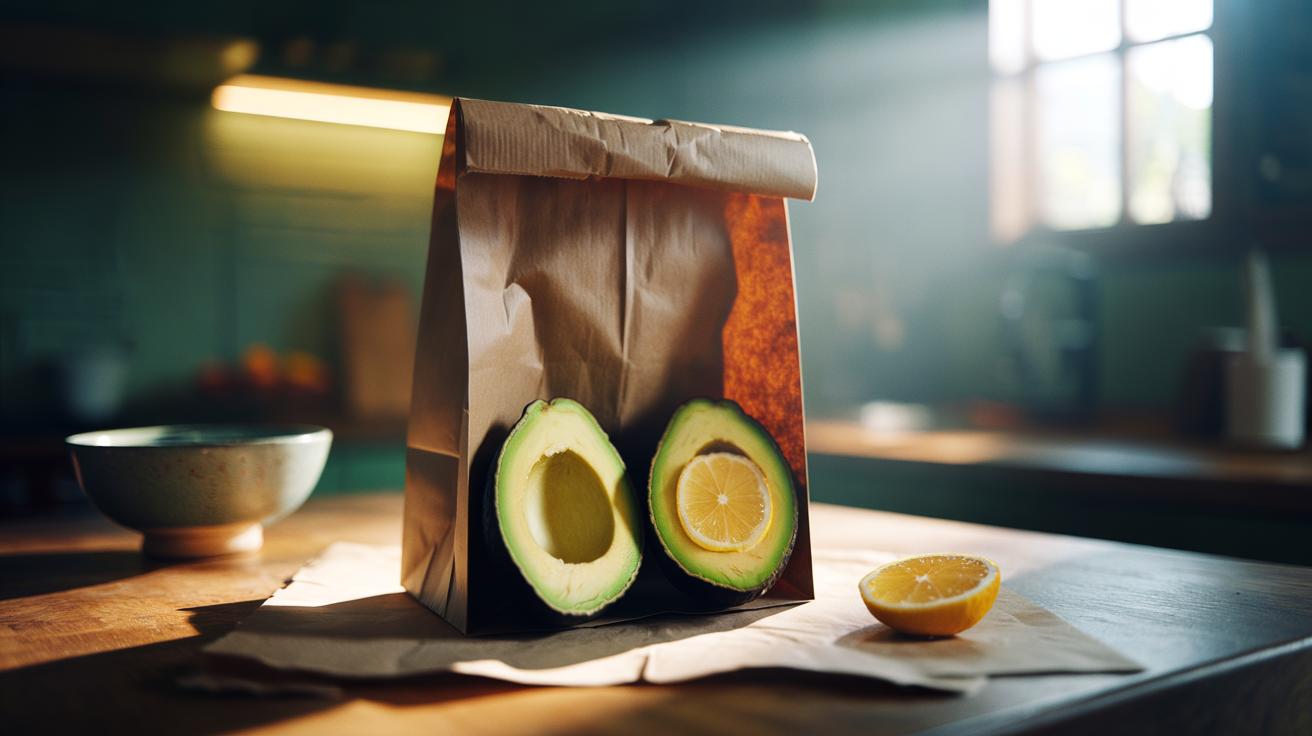
- 🍋 Use the lemon method: place a firm Hass avocado and half a lemon in a paper bag to trap gases and humidity, nudging faster softening overnight.
- 🧪 The science: the fruit’s own ethylene drives ripening; citrus adds acidity and aromatics while a breathable bag prevents suffocation and off smells.
- 📝 Steps: keep lemon cut-side down away from the avocado, fold the bag with a small gap, leave at 18–22°C for 12–18 hours, then check for gentle give at the stem.
- ⏱️ Expectations: texture softens first near the pit; flavour follows—let cut pieces rest a few minutes for oils to bloom; extend time or refresh the lemon if still too firm.
- 🛡️ Safety and tweaks: manage moisture (swap damp bags, wipe skin), use a clean knife, Don’t refrigerate until ripe, and pair with a banana if you need a stronger ethylene boost.
Avocados are glorious when they’re ready, maddening when they’re not. You buy a plump, glossy fruit and two days later it still feels like a cricket ball. Enter the whisper of a hack doing the rounds in British kitchens: use a lemon to coax ripeness overnight. It sounds implausible, yet there’s method in the citrus madness. The trick leans on natural gases, a controlled microclimate, and the way fats mature under gentle warmth. It won’t turn a rock-hard avocado into guacamole in twelve hours, but it can tilt the odds. Here’s the science, the exact steps, and what you should expect at breakfast.
How the Lemon Method Speeds Ripening Overnight
An avocado ripens because it produces ethylene, a plant hormone that signals enzymes to soften cell walls and develop flavour. On the tree, that process is paced. Off the tree, we can nudge it along by trapping the fruit’s own ethylene close to the skin. That’s where the lemon comes in. A halved lemon adds a tiny amount of ethylene plus fragrant volatiles, and it raises humidity inside a paper bag or lidded container. The result is a warm, slightly moist microclimate that helps the avocado’s tissues respond to its own ripening cues.
Citrus doesn’t produce much ethylene compared with apples or bananas, but it contributes something useful: acidity. That acidity, and the lemon’s aromatic oils, discourage surface microbes while keeping the environment from drying out. The key is containment without suffocation. A breathable paper bag is ideal because it traps gases while letting a little air exchange happen. Too tight a seal, especially with plastic, can cause condensation and off smells. Expect faster softening of the flesh near the seed first, with flavour catching up as oils convert and starches break down through the night.
Step-By-Step Guide for the Lemon-and-Bag Trick
Start with a firm, uncut avocado. Hass works best because of its higher oil content. Choose a fresh, juicy lemon. Halve it. Line a brown paper bag with a small piece of kitchen paper to absorb excess moisture. Place the avocado and the lemon half cut-side down in opposite corners of the bag so they don’t touch. Fold the top to close, leaving a sliver of space for minimal airflow. Room temperature is essential—18–22°C does the job.
Leave the bag on the counter for 12–18 hours. Resist poking. In the morning, press gently at the stem end. A slight give means the outer flesh is softening; a deeper, even yield suggests you’re ready to slice. If it’s still stubborn, turn the avocado and reseal the bag for another 6–12 hours with the same lemon half. Replace the lemon if it has dried out. Avoid direct sunlight or radiators, which push temperatures too high and risk uneven texture.
If you’re prepping for guacamole or toast, plan your timing. This method often provides “spreadable but not saggy” ripeness by the next day. If you smell anything sour or see slick condensation inside the bag, swap the paper and the lemon and let the fruit breathe for 30 minutes before continuing. That keeps flavours clean and the skin intact.
| Item | Purpose | Typical Time |
|---|---|---|
| Brown paper bag | Traps ethylene while allowing gentle airflow | 12–24 hours |
| Half a lemon | Adds humidity, trace volatiles, microbial control | Works overnight |
| Firm Hass avocado | Higher oils, better overnight softening | Softens by morning |
Results, Flavour, and Safety: What to Expect by Morning
Be realistic about outcomes. The lemon method aims for accelerated softening rather than full flavour development in record time. Cut the avocado and you may see buttery flesh near the pit, with the shoulders slightly firmer. That’s normal. Give the slices five minutes on the board; exposure to air can even out texture as moisture redistributes. Texture usually leads taste. Full nuttiness blossoms a little later, as oils unlock and the grassy notes mellow. If you need deep flavour for a tartare or sushi, you may prefer to wait another day.
Safety matters. The lemon’s acidity helps, but moisture is a double-edged sword. If the bag feels wet, switch it. Wipe the avocado’s skin before cutting to avoid transferring any surface microbes. A clean knife and board go without saying. Sniff the cut fruit. You want a fresh, green aroma with a faint nuttiness. Any sharp citrus taint, a fermenty note, or pinkish flesh indicates stress or overheating. In that case, use the good portions promptly in a cooked dish and reconsider your setup.
Finally, tailor expectations to variety and starting firmness. A just-firm Hass usually hits toast-ready after one night. Larger, greener avocados or low-oil varieties need longer. If morning firmness persists, re-bag with the lemon for the afternoon or switch to a banana companion for a stronger ethylene boost. Don’t refrigerate until your avocado is ready to eat. Cold stalls the enzymes you’ve encouraged, and it can lock in a rubbery bite that no amount of mashing will fix.
Used with a light touch, a lemon can nudge a stubborn avocado across the line in time for breakfast, saving a salad, a sandwich, or a midweek guacamole. It’s a gentle, natural assist, not miracle-working. Keep the environment breathable, watch the moisture, and let ripening continue on the board for a few minutes before plating. If you tried this tonight, what result would you hope for in the morning—spreadable slices for toast, or a soft, spoonable half for a quick, limey smash?
Did you like it?4.4/5 (28)